
The Barong Dance and the Magic of Balinese Culture
By Gadink · 2 October 2026
Good against evil, masks, gamelan music and centuries of tradition. Your guide to Bali culture on tour.
The Barong Dance and the Magic of Balinese Culture
Discover the Bali beyond the beach
The soft scent of incense, the shimmer of ceremonial cloth, the sudden pulse of a gamelan orchestra: Bali has a way of drawing you into its culture before you have even reached your first attraction. Small offerings sit outside homes and shops, family temples rise behind courtyard walls, and processions sometimes transform an ordinary road into a scene of extraordinary colour.
A cultural day out offers the chance to look more closely. Rather than rushing between photo stops, you can watch a story unfold through dance, meet craftspeople and learn why a temple courtyard is much more than a beautiful backdrop.
With Exciting Bali Tour, you can plan that day with Gadink, a friendly local private driver who can help connect the places you visit with the living traditions around them. The aim is not to squeeze all of Balinese culture into one outing. It is to leave with a deeper appreciation and plenty of wonderful memories.
If this is your first visit, our practical tips for your first time in Bali provide useful background before you set off.
The Barong and Keris dance: a story that comes alive
Batubulan, in Gianyar Regency, is well known for visitor performances of the Barong and Keris dance. Many take place in the morning, making the area a natural starting point for a cultural trip towards Ubud. Performance schedules can change, so confirm the venue and timing before arranging the rest of your day.
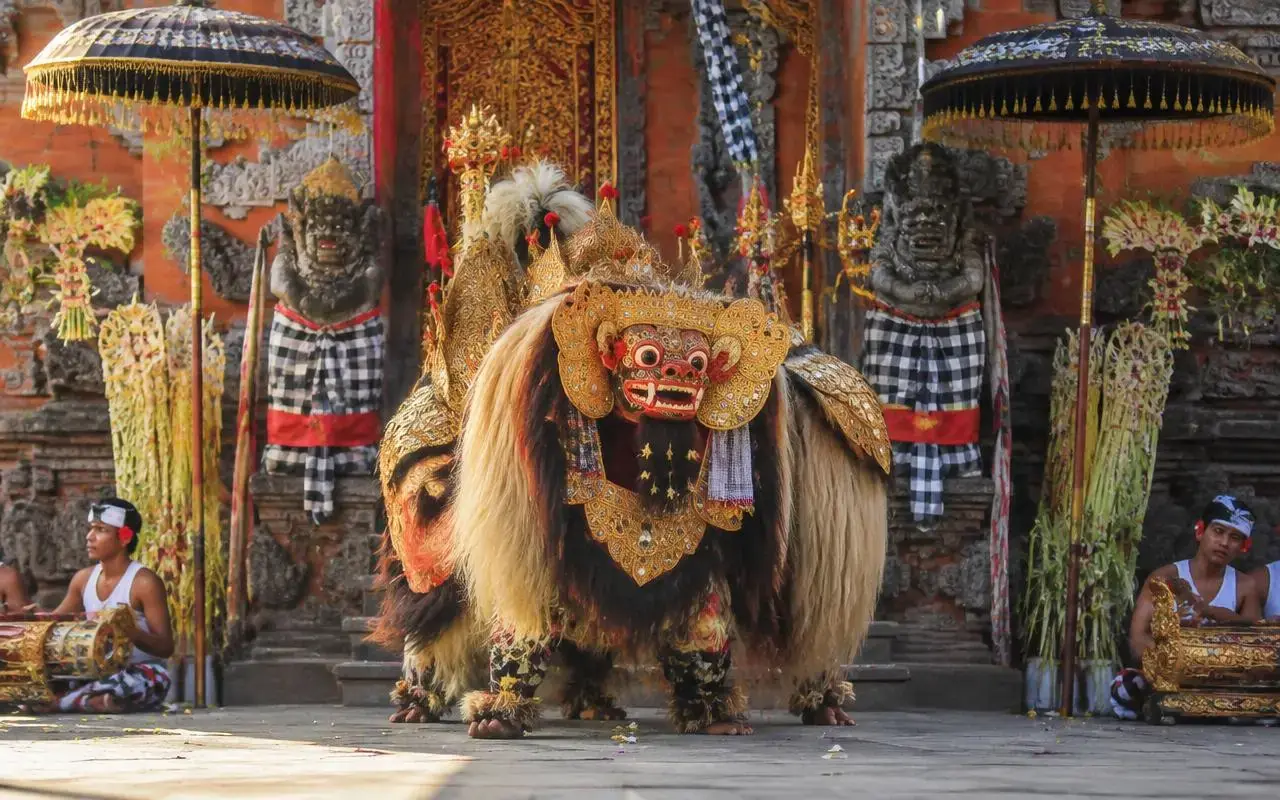
At the heart of the story is Barong, a protective figure often presented in a richly decorated, lion-like form. Opposing Barong is Rangda, a fearsome figure associated with destructive forces. Her wild hair, imposing mask and dramatic movements make an unforgettable entrance.
It is tempting to describe this simply as good fighting evil, but the cultural meaning goes deeper. The performance reflects an ongoing relationship between opposing forces, with balance more important than a neat, final victory. Versions differ between venues, and a visitor presentation offers only a glimpse of a much wider tradition.
The live gamelan is part of the magic. Layers of percussion, ringing metallophones and sudden changes in rhythm shape the action. Watch the dancers’ fingers, eyes and posture: even a small movement can carry meaning.
The keris sequence involves traditional daggers and imagery associated with trance and spiritual protection. It can feel intense, particularly for younger children. Stay in the audience area and never attempt to imitate what you see.
Some Barong traditions belong to sacred ceremonial contexts, while scheduled visitor shows are presentations adapted for audiences. Appreciating that distinction helps you enjoy the performance without assuming you have witnessed a complete religious ritual.
Getting the most from the performance
A little preparation makes the experience far more rewarding. Arrive with time to settle in, find your seat and read any synopsis provided. Dialogue and comic exchanges may not all be understandable to an English-speaking audience, but knowing the main characters makes the action easier to follow.
Ask about the running time, current ticket arrangements and photography rules when planning your visit. These details vary by venue. Avoid relying on old online schedules, and check whether admission is included in any proposed itinerary or paid separately.
The music can be loud, and some characters are deliberately frightening. If you are travelling with children, explain that they will see masks, a dramatic confrontation and a dagger scene. Sit somewhere that allows a quiet exit if necessary, and consider hearing protection for anyone sensitive to sound.
Wear comfortable clothing suitable for the weather. Audience areas may be sheltered without being air-conditioned, so water and a small fan can be useful.
Your starting point matters too. A departure from Sanur creates a different morning from a departure across the southern resort areas. If you are staying on the east coast, discuss the journey through our Sanur private driver page and allow a sensible traffic buffer.
Meet the makers in Bali’s craft villages
After the energy of the dance, visiting a workshop offers a more intimate encounter with Balinese creativity. Celuk, Mas and Batuan are well-known names, but they are not interchangeable shopping stops. Each has its own artistic associations, and choosing thoughtfully makes the day more interesting.
Celuk is particularly associated with silver and gold jewellery. Where a workshop welcomes visitors, you may see delicate soldering, shaping or decorative work in progress. A finished piece becomes much more meaningful when you have watched the concentration behind it.
Mas is known for woodcarving, from expressive figures to elaborate decorative pieces. Look closely at the grain of the wood and the way a face or flowing garment emerges from it. Ask before touching unfinished work, tools or objects that may have a ceremonial purpose.
Batuan is associated with a distinctive painting tradition, often featuring dense detail, layered scenes and subjects drawn from village life, stories and the spiritual world. Take your time: a painting that seems busy at first can reveal a remarkable number of smaller narratives.
Working demonstrations are not guaranteed at every gallery or on every day. Tell Gadink whether you want to watch a process, learn about a particular craft or browse for something to take home. One engaging workshop is often better than three hurried stops.
There is no need to buy simply because you have visited. If something catches your eye, ask about the materials, maker and any shipping arrangements. For a broader artistic outing, explore options around Ubud with a private driver.
Ceremonies and temples: watch with curiosity and respect
One of the most memorable moments of a Bali trip may happen between planned stops. You might pass a procession, see a temple dressed for a festival or notice families carrying beautifully arranged offerings. These are living religious practices, not performances scheduled for visitors.
Ceremonies follow local calendars and community arrangements, so encountering one cannot be promised. Access may also be restricted, even when an event is visible from the road. Gadink can help explain what is happening where possible and advise whether stopping would be welcome and practical.
Let worshippers move freely, keep entrances clear and ask before taking close-up photographs. Never step over offerings deliberately, and avoid interrupting prayers for a better camera angle. If a procession affects traffic, patience is part of respectful travel.
At temples, follow the rules displayed at the entrance and instructions from attendants. A sarong and sash are commonly required, along with modest clothing that covers the shoulders. Some areas are reserved for worshippers, and entry restrictions, including those relating to menstruation, may apply.
Tirta Empul is a particularly meaningful addition to a cultural itinerary. Its sacred springs are associated with ritual purification, but entering the bathing pools is not an essential visitor activity. Observing respectfully can be just as rewarding. If you wish to participate, seek proper local guidance and follow current rules.
Our guide to Bali’s temples offers further inspiration for thoughtful visits.
Build a cultural day that leaves room to enjoy it
A rewarding route can begin with a morning Barong performance in Batubulan, continue to a selected craft village and then head towards the Ubud area for lunch. From there, choose between more time in Ubud and a visit to Tirta Empul, depending on your energy and the day’s traffic.
Combining the dance, several craft villages, Tirta Empul and central Ubud is possible as a full-day outline, but it can become rushed. The temple lies beyond central Ubud from the southern approach, and busy roads or long visits can quickly stretch the schedule.
A better approach is to choose your priorities before departure. If art is your passion, allow time for two contrasting workshops and a relaxed lunch. If spiritual heritage interests you most, keep the craft stop brief and give the temple proper attention.
For families, a simpler combination of dance, one workshop and lunch may be more enjoyable than a long list of attractions. Build in toilet stops, drinking water and a break from the heat.
Our Ubud day-trip guide can help you decide what deserves a place on your route. If you also want sweeping agricultural landscapes, consider saving the Jatiluwih rice terraces for another day rather than adding a substantial detour.
Where you stay also affects the plan. If you are arranging a private driver from Seminyak, discuss departure timing before committing to a fixed morning performance. A realistic itinerary is far more enjoyable than a beautiful schedule that ignores the roads.
Practical details for a smoother day
Comfortable, easy-to-remove footwear is useful for a day involving vehicles, workshops and temple visits. Bring sun protection, drinking water and a lightweight rain layer. Bali’s weather can change quickly, and exposed courtyards can feel hot even when the morning begins cloudy.
Keep some cash available for smaller purchases and any admissions or parking charges that need to be paid locally. Before confirming your arrangements, ask what the transport price covers and whether performance tickets, temple entry, meals and other expenses are separate. Clear expectations are better than assumptions.
Mention mobility needs in advance. Temple grounds may include steps, uneven stone and slippery surfaces, while workshop layouts vary. Travelling with a private driver makes it easier to discuss alternatives, but accessibility should still be checked for each stop.
Be realistic about the return journey. Roads around Ubud and the southern accommodation areas can be busy, particularly when school traffic, ceremonies or holiday crowds overlap. If your accommodation is reached via a Canggu private driver route, leave breathing room rather than booking a tightly timed dinner immediately afterwards.
Finally, make space for the unexpected. A fascinating conversation with an artist or an extra few minutes watching temple preparations may become the highlight. Flexibility is not wasted time; it is often what turns a sightseeing day into a genuine travel experience.
Message Gadink and plan your cultural adventure
Ready to hear the gamelan, meet the makers and discover the stories behind Bali’s extraordinary traditions? Message Gadink on WhatsApp to discuss a cultural day with Exciting Bali Tour. You can find out more about Gadink, your friendly local driver, before getting in touch through the website’s WhatsApp option.
Share your travel date, accommodation area, group size and the experiences that appeal most. Mention children, mobility considerations, whether you prefer browsing or buying at workshops, and whether temple visiting or time in Ubud is your priority. Gadink can help you discuss a route built around those interests and realistic travel times.
If culture is just one part of a longer holiday, explore the Bali highlight tour for ideas to bring into your conversation.
The best cultural day is not the one with the most stops. It is the one that gives you time to watch, listen, ask questions and feel a little closer to Bali.